
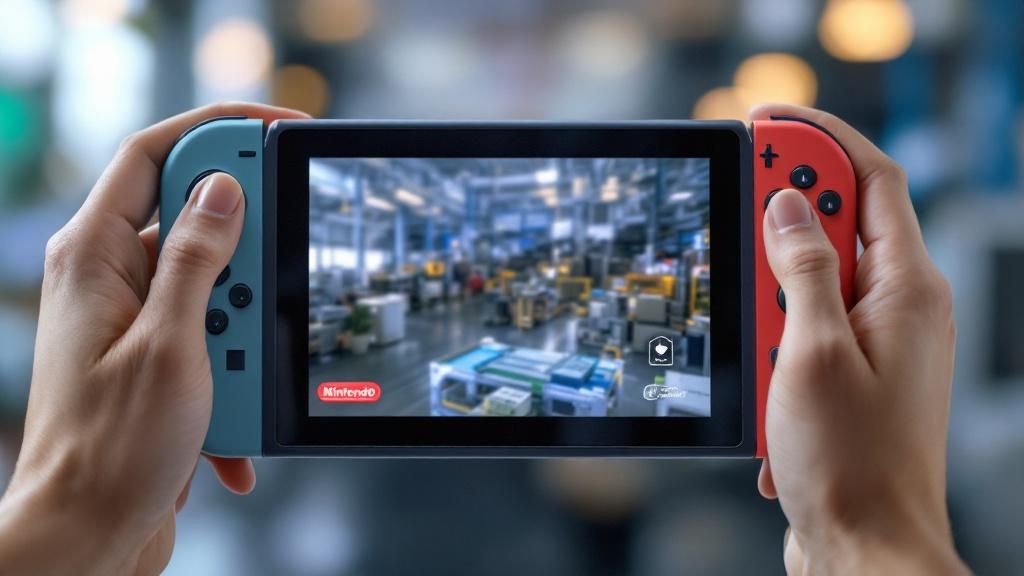
In a substantial move towards environmental responsibility, Nintendo has unveiled an comprehensive commitment to revolutionise its worldwide production processes. The company’s substantial investment in green initiatives marks a turning point for the industry, indicating a fundamental change away from traditional production methods. This broad programme encompasses sustainable energy transition, waste minimisation efforts, and ethical sourcing protocols across all manufacturing facilities worldwide. As customer appetite for environmentally conscious corporations intensifies, Nintendo’s significant declaration demonstrates how major technology companies are transforming their operational frameworks to respond to critical sustainability issues.
Environmental Responsibility and Worldwide Approach
Nintendo’s sustainability pledge represents a significant change in how the company manages manufacturing on a worldwide basis. By investing substantially in environmentally responsible approaches, the entertainment corporation acknowledges its obligation to reduce ecological impact throughout all production facility. This planned programme reflects rising customer expectations for sustainability standards within the digital technology field. The company understands that environmentally responsible production is not merely a organisational duty but a essential requirement for sustained commercial success and industry leadership in an increasingly environmentally conscious marketplace.
The international strategy encompasses multiple interconnected components developed to achieve comprehensive sustainability across Nintendo’s manufacturing processes. Renewable energy sources will fuel manufacturing facilities, markedly decreasing carbon emissions and dependence on fossil fuels. Simultaneously, the company is deploying advanced waste reduction systems and circular economy principles throughout its supply chain. These measures reflect Nintendo’s commitment to transforming manufacturing practices at scale, ensuring that sustainability takes root within operational procedures rather than staying peripheral to primary commercial activities.
Nintendo’s commitment indicates a wider industry change where ecological responsibility becomes a key competitive edge. By implementing comprehensive sustainability requirements across global operations, the company creates a standard for industry counterparts. This proactive approach responds to legislative demands whilst fulfilling customer expectations for sustainable practices. The initiative establishes Nintendo as an sustainability pioneer within gaming and technology markets, enhancing brand reputation whilst playing a significant role to international climate commitments and sustainability targets.
Introduction of Green Manufacturing Technologies
Nintendo’s carefully planned funding emphasises the implementation of advanced sustainable manufacturing technologies across its worldwide manufacturing operations. These advancements cover energy-efficient machinery, sophisticated waste control systems, and sustainable material processing processes. By upgrading current plants and constructing new environmentally conscious production facilities, Nintendo aims to substantially reduce its carbon footprint whilst preserving the quality benchmarks that people anticipate from the company’s products.
Clean Energy Integration
A key pillar of Nintendo’s green initiatives includes transitioning manufacturing facilities to sustainable energy solutions. The company has undertaken to establish solar panels, wind turbines, and geothermal systems at facilities across the world. This multifaceted approach to power production will significantly diminish dependence on conventional energy, in turn lowering carbon emissions and decreasing production costs for the future. Nintendo’s commitment indicates the widespread understanding that sustainable power offers both an environmental imperative and a financially prudent choice.
The combination of sustainable energy systems necessitates considerable funding and strategic coordination across diverse geographical regions. Nintendo has partnered with major sustainable energy companies to facilitate successful installation of solar, wind, and hydro technologies. These facilities will generate sufficient clean energy to run factory operations, with excess power potentially returned to community networks. This strategy strengthens public engagement whilst showcasing business sustainability commitment.
- Photovoltaic solar arrays fitted to factory rooftops
- Wind turbine farms constructed near manufacturing facilities
- Geothermal climate control systems implemented
- Energy storage systems utilising advanced battery technology
- Grid connection systems enabling surplus energy delivery
Nintendo’s commitment to renewable energy goes further than mere compliance with environmental regulations. The company recognises that environmentally responsible manufacturing methods improve brand reputation and attract eco-aware customers. By achieving energy independence through renewable energy sources, Nintendo bolsters operational stability whilst contributing meaningfully to global climate change mitigation efforts. This holistic strategy establishes the company as an industry leader in corporate environmental responsibility.
Long-Term Sustainability Targets and Outcomes
Nintendo’s investment approach goes far past immediate operational improvements, establishing ambitious targets for the next several decades. The company has committed to achieving carbon neutrality across its entire manufacturing network by 2050, with interim milestones scheduled for 2030 and 2040. These measurable objectives provide transparency and accountability, allowing stakeholders to monitor progress systematically. By establishing clear timelines and measurable objectives, Nintendo demonstrates genuine commitment to ecological responsibility rather than surface-level environmental claims.
The extensive environmental impact of Nintendo’s initiative reverberates across the gaming industry and beyond. By pioneering sustainable manufacturing practices, the company creates benchmarks for competitors and suppliers alike, catalysing widespread adoption of environmentally conscious technologies. This knock-on effect may lower the collective carbon footprint of electronics manufacturing substantially. Furthermore, Nintendo’s investment stimulates development in renewable energy solutions and waste handling processes, benefiting multiple sectors and communities globally.
Looking ahead, Nintendo anticipates considerable gains from this strategic initiative. Enhanced sustainability practices should bolster brand standing amongst eco-aware customers whilst reducing long-term operational costs through improved efficiency. The initiative also positions Nintendo as an industry leader in business ethics, likely to draw ethical investors and skilled personnel. Ultimately, this dedication showcases changing organisational principles, proving that financial success and ecological stewardship are aligned priorities.
